CozyCornerLifestyle.com



The best investment is in the tools of one's own trade.
Nail Tools Of The Trade
SALON & SPA PROFESSIONALS
GETTING STARTED - Have all of your tools and supplies arranged ahead of time. This will help you, the professional feel more adequate and confident in providing the client with quality service and for a relaxing salon and spa excursion. While assuring your clients, they are being serviced by a caring professional who knows what they are doing and who are concerned about healthy nails. Being prepared helps you to be more professional, feel adequate, adds confident, retain clients, customer referrals, more clients, more income. Return To Nails >


TOOLS OF THE TRADE
Metal Files
Glass Files
Disposable Files / Emery Boards
Fine grade, Medium grade, Rough grade
Fine Grade: Best for weak, brittle nails, more gentle for your nails.
Medium Grade: Good for all nail types, This emery board gets the job done on natural and artificial nails. Also a safe grade to clean under your nails if you are using your nail drill.
Coarse Grade: A coarse grit file great for thick natural nails that's hard to file and artificial nails enhancement services.
Nail Clippers
Nail Scissors
Nail Brush
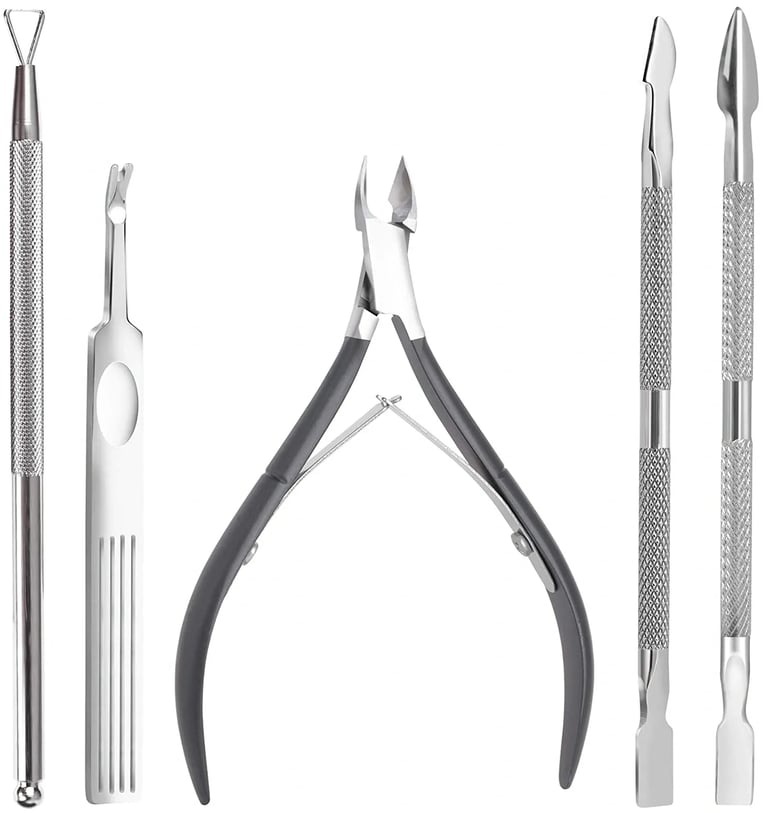
Cuticle Pusher -Metal, Plastic
Wooden Orange Stick
Cuticle Nippers
Cuticle Scissors
Spoon Curette
Buffing Block and Disk
Nail Brush
Pumice Stones
Cotton Balls & Q-tip Swabs
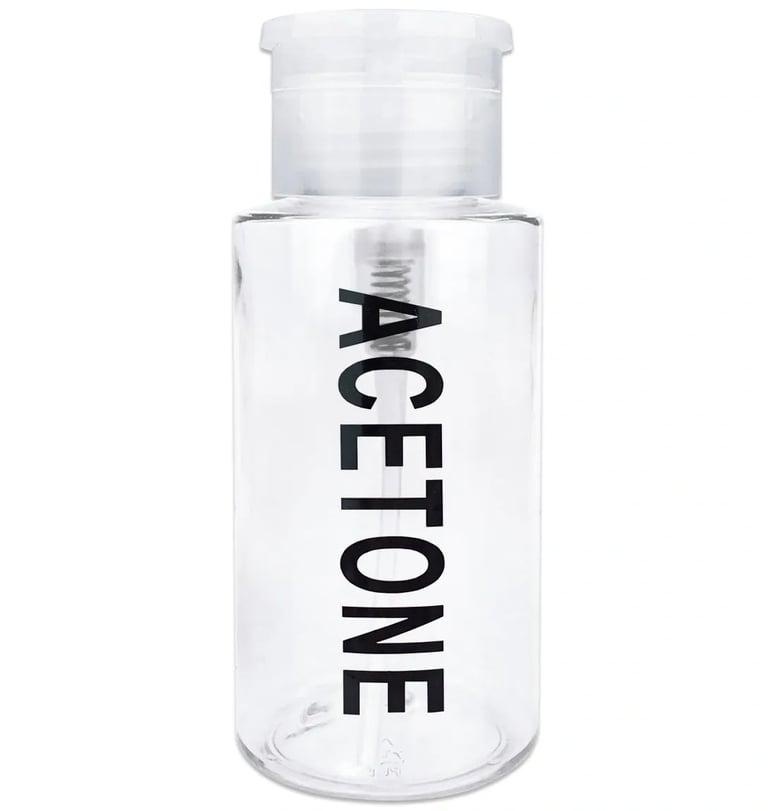
Polish Remover - Acetone
Cuticle cream or oil NAIL TABLE w/ light & ventilation
COMFORTABLE CHAIR / adjustable
Nail Salon & Spa Safety
How to Handle Nail Salon Waste Acetone Solvent
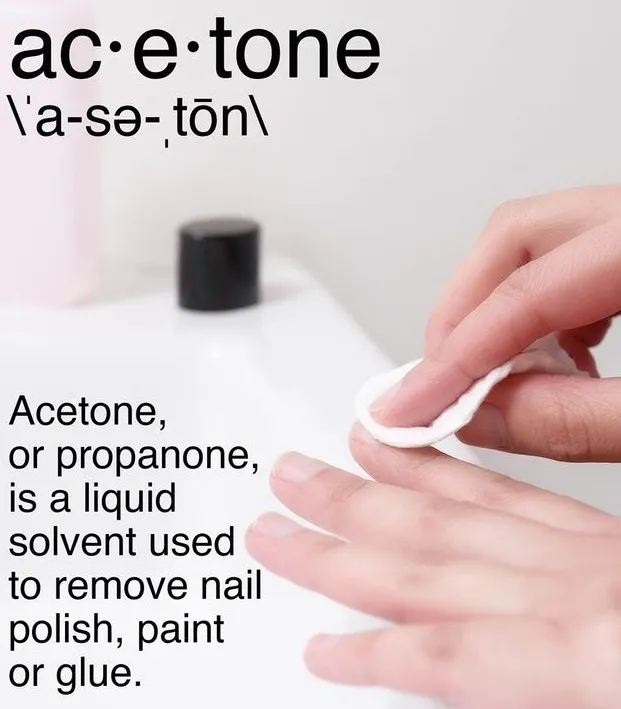
WHAT EXACTLY IS ACETONE?
Solvents: like acetone, other nail polish removers and nail polish are flammables. Store flammables away from electrical outlets, stoves and other heat sources.
Waste acetone and certain other chemicals used in nail salons are considered hazardous wastes and must be managed and disposed of safely. This information describes how to manage some nail salon wastes. It is not intended to be a complete reference to all regulations relevant to nail salons and does not list all hazardous chemicals found in salons. Ultimately, responsibility for proper handling and disposal of waste belongs to the owner of the nail salon.
How to Dispose of Used Nail Polish Remover and Old Nail Polish (Recommended) Truth be told most salons around the world usually pour in the sink or toilet.
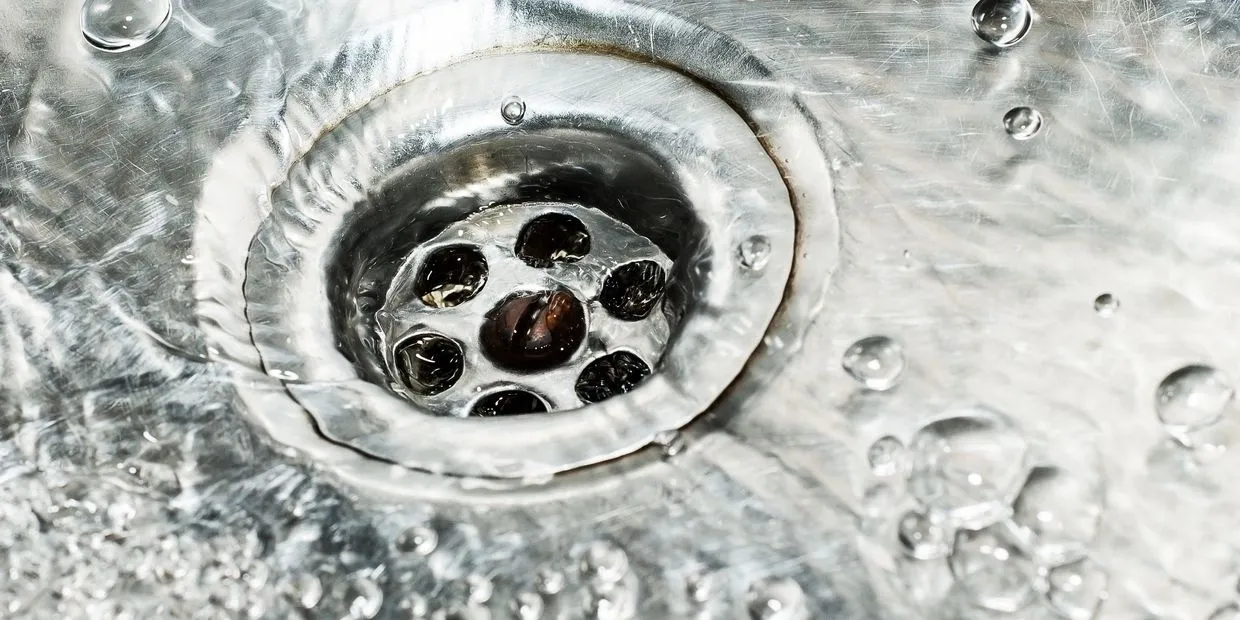
Dispose of unwanted nail polish, waste acetone and other waste nail polish removers as hazardous waste. You can take the waste to a hazardous waste treatment, storage, disposal or recycling facility (TSDR) drop off site or contract with a TSDR to pick it up from your business. Do not pour the acetone down your sink or toilet or put it in the garbage.
Is Acetone Safe On Skin?
WHAT EXACTLY IS ACETONE?
If acetone contacts your skin, it can become red and irritated if you have sensitive skin. Under chronic exposure, you'll get red, dry, cracked skin. Also, a little acetone will get absorbed into your body, but it's not enough to be worried about. ... Acetone may not harm your body too much.
How to Dispose of Used Cotton Balls
Store cotton balls that have acetone, nail polish remover or other solvent on them in a metal container with a tight-fitting lid. If they are not dripping with solvent they can be put in the garbage at the end of each day. If cotton balls are dripping with polish remover, do not put them in the garbage until you squeeze the excess solvent into a separate container with a tight-fitting lid. Dispose of the solvent as hazardous waste.
How to Store Used Nail Polish Remover and Other Chemicals
Keep a tight-fitting lid on all chemical containers and label each container with the name of the chemical and its hazard. For example, used nail polish remover should be labeled “Used Nail Polish Remover” and “Flammable”.
Consider removing nails using the aluminum foil method
OPTION 1: Moisten a small cotton ball with acetone or other solvent and cover the acrylic fingernail with it. Then wrap the fingertip with aluminum foil. After repeating this process for all fingernails, put a new plastic glove or pedicure mitt over each hand to hold the aluminum foil in place and keep the acetone from evaporating. Some salons use warmed manicure mitts to speed up the process. When the acrylic nails are soft enough to remove, take off the cotton balls and aluminum and remove the nails. (You may have to repeat the process on some of nails before you can remove them.)
OPTION 2: NEW PRODUCT RELEASE
Cozy Corner Lifestyle
Home | Your Lifestyle Guide | Home Decor | Blog | The Enterprise Hub | Write-On Tribe Books | Website Services | Advertise | Contact Us | Privacy Policy | Terms and Conditions
Copyright © 2026 Cozy Corner Lifestyle - All Rights Reserved.
Disclaimer: If we have listed any resources on our Website that does not deliver as promised. You can rest assure that it will be removed. To have complete viewing of website's content use your computer.